
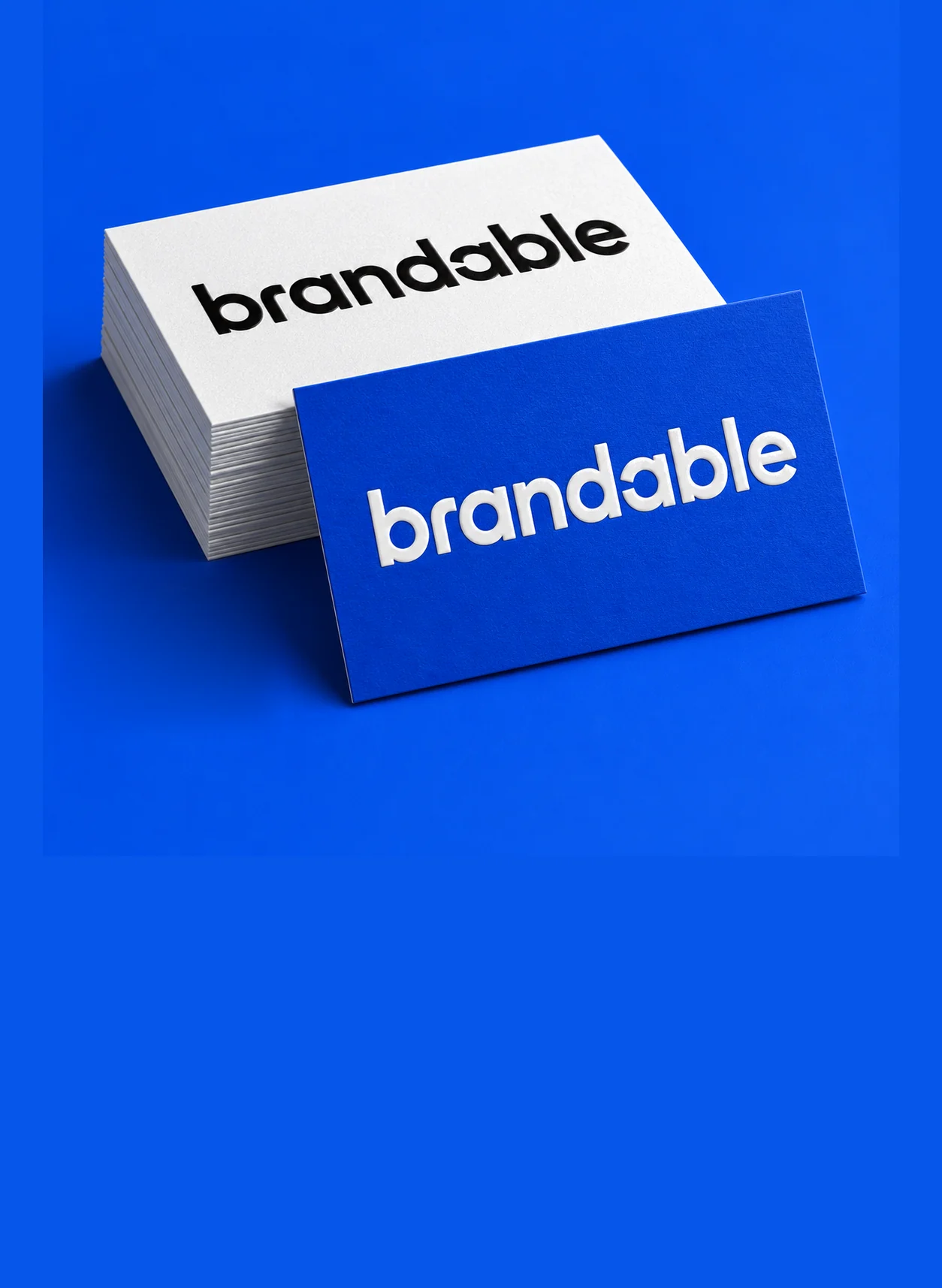
For most networking events, bring business cards, a charged phone, a pen, a small notebook, and a short introduction. Add a sales sheet or brochure only when the format gives people time and space to use it. Before you go, decide how you will follow up.
Start with the essentials. Leave room for the conversation.
A networking kit should make meeting people easier, not give you another thing to manage. Carry your cards somewhere you can reach without unpacking your bag. Keep the cards you receive in a separate pocket so you do not accidentally hand out someone else’s details. A slim card holder also protects corners and keeps your own cards presentable through the evening.
Your phone is useful for directions, event tickets, calendar invitations, and showing one relevant example of your work. Charge it before you leave and save the important links somewhere easy to open. A small notebook and pen provide a backup when a screen is awkward or you want to remember a detail without interrupting the conversation.
Think about the people you are likely to meet rather than packing for every possibility. An informal mixer rarely needs a full portfolio or a pile of brochures. A scheduled meeting with prospective partners may justify a more detailed piece. The best kit is the smallest one that supports a clear next step.
- Keep your own business cards separate from cards you collect.
- Save your portfolio or booking link before the event.
- Pack for your role: attendee, speaker, or exhibitor.
Bring business cards that make the next step obvious.
A business card is a reminder of a person, not a miniature company brochure. Start with your name, business or role, and the contact route you actually want people to use. If a website is your main destination, make the address readable. If an email starts the right conversation, give it room instead of squeezing it between every social profile you have.
Choose a finish around how the card will be used. A simple matte design keeps attention on typography; gloss can suit an image-led layout. A thicker stock can become part of the impression, but it cannot rescue tiny lettering or unclear information. If you expect people to write on the card, confirm that the exact stock and coating work with the pen you intend to use.
Plan quantity around expected conversations, not the room’s maximum capacity. Bring a comfortable reserve, but resist treating every person as a distribution target. Offer a card when there is a reason to continue talking. That makes the piece useful rather than another item someone sorts out at home.
Explore business card finishesChoose a leave-behind that fits the setting.
Business cards handle contact details well. They are less useful when someone needs to understand a service package, a product range, or an idea they will share with a colleague. That is where a separate print piece earns its place. Choose one format and one purpose instead of giving every person several versions of the same information.
A sales sheet gives a focused offer a single page. It can work for a planned conversation where someone wants to see what you provide, who it is for, and what happens next. Keep it easy to scan and give the reader a clear contact route. A trifold brochure gives related topics their own panels, which can suit a service overview or a short introduction to your business.
For an informal standing event, a postcard may be easier to carry than a full sheet. For an exhibition, check the organizer’s rules before bringing a display or leaving materials on tables. A banner is a booth tool, not an automatic addition to an attendee’s bag. Match the physical piece to the setting and the amount of attention available.
Browse flyers and brochuresPrepare the follow-up before you walk in.
Decide what a useful next step looks like. It may be a portfolio visit, a short call, a quote request, or an introduction to someone else. Your card and any supporting piece should point toward that action. A QR code can help when it opens the right mobile page, but include a readable address as a fallback and test the printed code before the event.
Prepare a short introduction that says what you do and who you help in ordinary language. Then make room for questions. You do not need a memorized pitch for every situation; you need a clear explanation that the other person can connect to their own work. Printed materials should support that exchange rather than replace it.
After a relevant conversation, make a brief note about what you discussed and any next step you both agreed to. Follow up with that context instead of a generic promotion. Before ordering print for a fixed event date, confirm the proof schedule, production time, and delivery estimate. Time on press and time in transit are different parts of the plan.